
Department of Correctional Center Official Facility Directories
Amanda Brooks · on 18 July 2026 · 8 min read · Last reviewed 18 July 2026
Department of correctional center guide is the focus here. The **Department of Correctional Center** is a state or federal agency responsible for managing correctional facilities, including prisons, jails, and rehabilitation centers, and ensuring public safety through the supervision of inmates.
In plain terms: Think of it as the administrative backbone of the correctional system, akin to the conductor of an orchestra, ensuring all elements, security, rehabilitation, and logistics, work in harmony.
Key facts
- The U.S. has both federal and state-level departments of correction, each with distinct jurisdictions.
- According to the Bureau of Justice Statistics, there are approximately 1,566 state prisons and 102 federal prisons in the U.S.
- The Federal Bureau of Prisons is the largest federal correctional agency, managing over 120 facilities.
- Correctional centers often collaborate with community organizations to provide rehabilitation programs for inmates.
Department of Correctional Center Guide Explained
“Oficial” is a Spanish term that translates to “official” in English. It denotes something that is authorized, recognized, or endorsed by an authority or institution.
In correctional centers, “oficial” can mean official documents, procedures, or staff. For instance, an “oficial de la sala” (court officer) makes sure legal processes follow set rules. Knowing this term helps with bilingual materials or talking to Spanish-speaking staff in these facilities.
For instance, the Federal Bureau of Prisons provides multilingual resources, including Spanish translations of official documents, to ensure accessibility for all inmates and their families. This inclusivity is vital for maintaining clear communication and upholding the rights of all individuals within the system.
When dealing with official documents or procedures, always verify the authenticity of the information through official channels or resources provided by the correctional facility. This ensures compliance with legal standards and avoids misinformation.
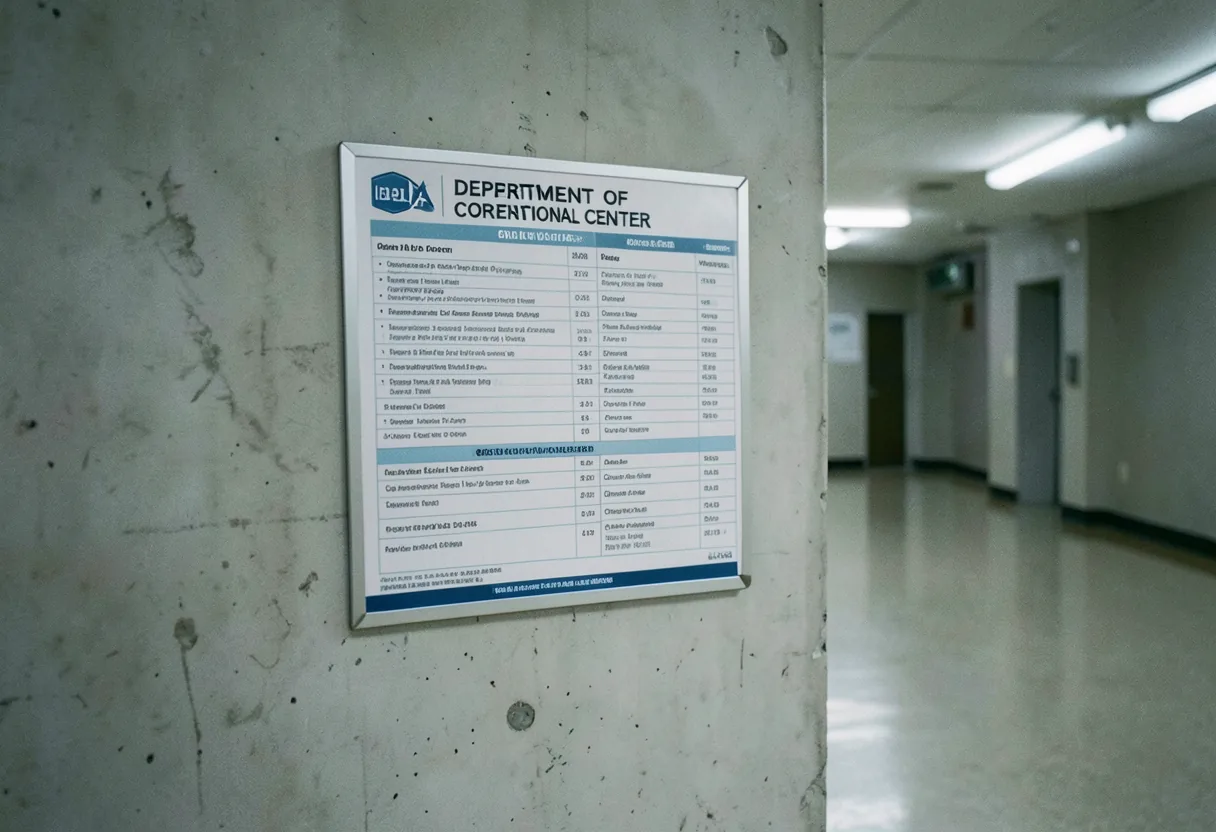
Official or oficial
The terms “official” and “oficial” are direct translations of each other between English and Spanish, respectively. Both convey the same meaning of authorization or recognition by an authority.
In the context of correctional centers, the term “official” is used in English-speaking regions to denote authorized personnel, documents, or procedures. For example, an “official” release form from a correctional facility signifies that it has been authorized by the institution and is legally binding. Similarly, in Spanish-speaking contexts, “oficial” serves the same purpose, ensuring clarity and legality in all communication and documentation.
For instance, the Texas Department of Criminal Justice provides official (or “oficial” in Spanish) resources and guidelines to ensure that all interactions with the correctional system are transparent and legally sound. This bilingual approach caters to a diverse population, enhancing accessibility and understanding.
How to access official correctional center directories
To access official correctional center directories, start by visiting the website of the relevant state or federal department of correction. These directories typically include lists of facilities, contact information, and inmate search tools.
Federal Bureau of Prisons offers an official directory on its website, listing comprehensive details about each federal correctional facility. This tool helps find specific facilities, learn about their operations, and obtain contact information for additional questions.
Additionally, many state departments of correction offer similar directories. For instance, the California Department of Corrections and Rehabilitation maintains an up-to-date directory of all state prisons and jails, complete with contact information and facility-specific guidelines. These directories are essential for anyone needing to navigate the correctional system, whether for personal, legal, or professional reasons.
When using these directories, ensure you are accessing the official website of the department of correction to avoid misinformation. Verified sources provide accurate and reliable information, which is crucial for effective navigation of the correctional system.
Common types of correctional center officials
Correctional centers employ a variety of officials, each with specific roles and responsibilities. These include correctional officers, wardens, case managers, and rehabilitation specialists.
| Type of Official | Role | Example |
|---|---|---|
| Correctional Officer | Maintains security and order within the facility | Ensures inmate compliance with rules and regulations |
| Warden | Oversees the entire operation of the correctional facility | Makes strategic decisions regarding facility management |
| Case Manager | Develops and monitors inmate rehabilitation plans | Coordinates educational and vocational programs |
| Rehabilitation Specialist | Provides counseling and support services to inmates | Assists with mental health and substance abuse programs |
Officials’ roles are interconnected, working together to create a safe and rehabilitative environment for inmates. For example, a correctional officer might report behavioral issues to a case manager, who then adjusts the inmate’s rehabilitation plan accordingly. This collaborative approach ensures that all aspects of an inmate’s experience are addressed, from security to personal development.
How to contact correctional center officials
To contact correctional center officials, refer to the official directory provided by the relevant department of correction. These directories typically include phone numbers, email addresses, and mailing addresses for each facility and its personnel.
New York State Department of Corrections and Community Supervision provides a comprehensive directory including contact information for each correctional facility. This resource is invaluable for anyone needing to communicate with officials regarding inmate status, visitation policies, or other concerns.
Additionally, many correctional facilities have online contact forms or customer service lines that can assist with general inquiries. For example, the Federal Bureau of Prisons provides an online inquiry system for visitors to submit questions and receive timely responses. This streamlined process ensures that inquiries are directed to the appropriate officials promptly.
Contacting correctional center officials requires specific details about your inquiry for a quicker resolution. Clear and concise communication is key to ensuring that your needs are met efficiently.
Recognizing the structure in prisons.
Prisons maintain order, security, and effective management through a structured hierarchy. At the top of the hierarchy is the warden, who oversees the entire operation of the facility.
| Position | Responsibilities | Example |
|---|---|---|
| Warden | Overall management and strategic decision-making | Implements policies and procedures for the facility |
| Deputy Warden | Assists the warden in day-to-day operations | Manages specific departments within the facility |
| Correctional Supervisor | Supervises correctional officers and ensures security | Conducts regular inspections and audits |
| Correctional Officer | Maintains security and order within the facility | Monitors inmate behavior and enforces rules |
This structured hierarchy ensures that each level of management has clear responsibilities and accountability. For example, a correctional supervisor might oversee a team of correctional officers, ensuring that security protocols are followed and any issues are addressed promptly. This layered approach helps maintain a safe and orderly environment within the facility.
Effective communication and decision-making are also facilitated by the hierarchy. For instance, if a correctional officer identifies a potential security threat, they can report it to their supervisor, who then escalates it to the deputy warden or warden as needed. This chain of command ensures that critical information is relayed quickly and appropriate actions are taken.
How to verify the authenticity of official documents
To verify the authenticity of official documents from correctional centers, look for specific indicators such as official seals, signatures, and the use of letterhead.
Official release documents from the Federal Bureau of Prisons include the agency’s seal, the signature of the warden or a designated official, and the agency’s letterhead. These elements are crucial for confirming the document’s legitimacy and ensuring that it is legally binding.
Cross-referencing the information with the official website of the correctional facility or contacting the facility directly can confirm the document’s validity. For instance, if you receive an official document from a state correctional facility, you can visit the facility’s website or call their customer service line to verify the information. This step is essential for avoiding fraud or misinformation.
Consulting with a legal professional or an advocate who specializes in correctional matters can help when in doubt. They can provide guidance on verifying the authenticity of documents and ensuring that your rights are protected. This proactive approach helps maintain the integrity of the correctional process and ensures that all parties involved are treated fairly.
Common misconceptions about correctional center officials
There are several misconceptions about correctional center officials that can lead to misunderstandings or misinformation. One common misconception is that all correctional officers are primarily focused on punishment rather than rehabilitation.
Correctional officers are vital in upholding security and aiding rehabilitation. Many take part in training that stresses inmate rehabilitation and mental health assistance. This comprehensive method provides inmates with necessary resources for successful societal reintegration.
Another misconception is that correctional center officials are inflexible and unresponsive to inmate needs. In truth, many officials are dedicated to providing support and addressing concerns promptly. For instance, case managers often work closely with inmates to develop personalized rehabilitation plans that address their unique needs and goals. This collaborative approach fosters a more supportive and effective correctional environment.
Acknowledging the true roles and responsibilities of correctional center officials helps dispel these misconceptions and fosters a more accurate perception of the correctional system. By noting the diverse functions of these officials, we can better appreciate the complexities of their work and the impact they have on inmate rehabilitation and public safety.
Officials at correctional centers can find detailed role descriptions in the Department of Corrections Official Inmate Search Guide. This guide offers comprehensive insights into the operations of correctional facilities and the personnel who work within them.
In my experience, having a clear understanding of the roles and responsibilities of correctional center officials can significantly enhance your ability to navigate the system effectively. Whether you are seeking information for personal, legal, or professional reasons, this knowledge is invaluable for ensuring a smooth and successful interaction with the correctional system.
Frequently asked questions
How can I access the official facility directory for a specific Department of Correctional Center?
Visit the official website of the state’s Department of Corrections. Most states list facility directories under a 'Facilities' or 'Institutions' tab. For example, New York’s DOC provides a searchable database where you can filter by facility name, type, or location.
Are facility directories updated regularly?
Yes, directories are typically updated annually or whenever significant changes occur, such as facility closures or openings. For real-time accuracy, contact the state’s DOC directly or check their latest press releases.
Can I find contact information for specific correctional facilities in these directories?
Absolutely. Directories usually include phone numbers, mailing addresses, and sometimes email contacts for each facility. Some states also provide wardens’ names and visiting hours. California’s DOC, for instance, lists these details clearly.
What should I do if a facility directory is outdated or incomplete?
Reach out to the state’s DOC via their customer service line or email. Provide details about the missing or outdated information. Many states encourage public feedback to maintain directory accuracy.
See also: Department of Corrections Official Inmate Search Guide.
Related Reading
See also: Permitting Official Guidelines for Municipal Compliance.