
Internal Revenue Service Refund Official Status Checks

Amanda Brooks · on 18 July 2026 · 8 min read · Last reviewed 18 July 2026
Internal revenue service refund guide is the focus here. An internal revenue service refund is the repayment of overpaid taxes to a taxpayer by the U.S. Internal Revenue Service (IRS).
In plain terms: Think of it like a refund from a store where you overpaid for an item, except this time, the store is the IRS, and the item is your taxes.
Key facts
- The IRS issues most refunds in less than 21 days for electronically filed returns.
- Paper returns can take up to 6 months for processing.
- You can check your refund status using the IRS’s “Where’s My Refund?” tool.
- According to the IRS, the average refund amount in 2023 was approximately $3,012.
Internal Revenue Service Refund Guide Explained
Oficial is the Spanish word for “official.”
In the context of the IRS, “oficial” might refer to official communications, documents, or processes. For example, the IRS sends official notices to taxpayers regarding their refund status, tax bills, or audit requests. These notices are considered oficial because they come directly from the IRS and carry legal weight.
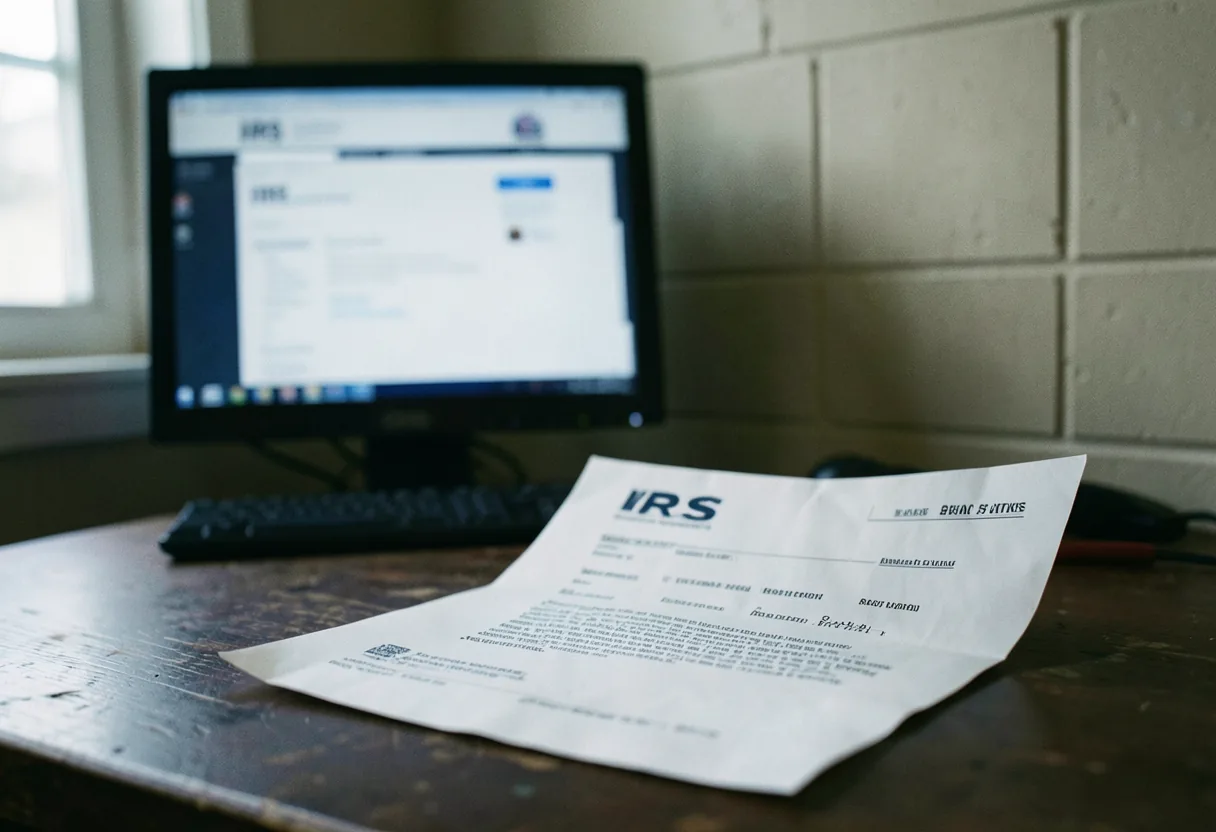
How to check your internal revenue service refund status
To check your internal revenue service refund status, use the IRS’s “Where’s My Refund?” tool available on the IRS website.
To do this, you’ll need your Social Security number, filing status, and the exact refund amount shown on your tax return. The tool provides real-time updates on the status of your refund, including whether it has been received, approved, or sent.
If you filed your tax return electronically, you can typically check your refund status within 24 hours. For paper returns, it may take up to 4 weeks before you can check your status.
What are the different types of oficial roles?
The term “oficial” encompasses various roles, particularly in Spanish-speaking contexts or organizations with Spanish terminology.
For instance, in a court setting, an “oficial de la sala” (court officer) is responsible for maintaining order and assisting the judge. On a ship, an “oficial de puente y cubierta” (deck officer) oversees the deck and bridge operations. In administrative roles, an “oficial de secretaría” (secretary officer) handles clerical duties, while an “oficial mayor” (chief officer) manages higher-level administrative tasks.
How long does it take to receive an internal revenue service refund?
The time it takes to receive an internal revenue service refund varies depending on how you filed your tax return.
If you filed electronically and chose direct deposit, you can typically expect to receive your refund within 21 days. Paper returns, however, can take much longer, up to 6 months. The IRS’s “Where’s My Refund?” tool provides specific timeframes based on your individual return.
Delays can occur if your return requires additional review, such as for suspected errors, identity verification, or other issues. In such cases, the IRS will send an official notice explaining the delay and any further actions required.
What are the benefits of using oficial tools and resources?
Using oficial tools and resources ensures accuracy, reliability, and compliance with official standards and regulations.
For example, the IRS’s “Where’s My Refund?” tool is an oficial resource that provides up-to-date and accurate information about your refund status. Similarly, oficial government websites and portals offer secure and verified information, reducing the risk of misinformation or fraud. Using these tools helps you avoid scams and ensures that you receive the most current and reliable information available.
How to ensure the accuracy of your internal revenue service refund
To ensure the accuracy of your internal revenue service refund, double-check your tax return for errors before submitting it.
This includes verifying your Social Security number, filing status, and all reported income and deductions. Using tax preparation software or consulting with a tax professional can help minimize errors. Keep all supporting documentation, such as W-2s and 1099 forms, in case the IRS needs to verify your return.
What are the common misconceptions about oficial processes?
One common misconception is that “oficial” processes are always slow and cumbersome.
While some oficial processes, such as paper tax return processing, can be time-consuming, many oficial tools and resources are designed for efficiency. For example, electronic filing and direct deposit for tax refunds significantly speed up the process. Another misconception is that oficial resources are difficult to access. In reality, many oficial tools, like the IRS’s “Where’s My Refund?” tool, are user-friendly and accessible online.
Recognizing the difference between official and unofficial resources can help you avoid scams and ensure accurate, reliable information. Always check the source of any tax-related or other official information.
| Filing Method | Processing Time | Refund Delivery Time |
|---|---|---|
| Electronic Filing | Within 24 hours | 21 days or less |
| Paper Filing | Up to 6 weeks | Up to 6 months |
| Tool | Purpose | Accessibility |
|---|---|---|
| “Where’s My Refund?” | Check refund status | Online |
| IRS2Go App | Mobile access to refund info | Mobile app |
| IRS Website | Official tax information | Online |
What are the common reasons for delays in receiving an internal revenue service refund?
Several factors can cause delays in receiving your internal revenue service refund.
Errors, inconsistencies, or potential fraud may trigger an IRS review of your return. For instance, if the income reported on your return doesn’t match the information provided by your employer, the IRS will need to verify the discrepancy. Identity theft or fraud can trigger a manual review, which can significantly extend the processing time.
Another common reason for delays is missing or incomplete information. If your return is missing critical details, such as your Social Security number or signature, the IRS will contact you to request the necessary information. In some cases, the IRS may also require additional documentation to support certain claims, such as education credits or deductions for home office expenses.
In my experience, one of the most frustrating delays occurs when the IRS needs to correspond with you by mail. If the IRS sends a notice to the address on file and it is returned as undeliverable, the processing of your return will be halted until you update your address. To avoid this, always ensure that your address is up-to-date with the IRS.
What are the different ways to receive your internal revenue service refund?
You have several options for receiving your internal revenue service refund.
Direct deposit is the most common and fastest method. By providing your bank account information on your tax return, you can have your refund deposited directly into your account. This method is secure, convenient, and typically results in receiving your refund within 21 days if you filed electronically.
If you prefer a paper check, you can opt to receive your refund by mail. However, this method can take significantly longer, up to 6 months for paper returns. Additionally, there is a higher risk of the check being lost or delayed in the mail.
IRS provides a prepaid debit card option for those without a bank account to receive refunds. The IRS partners with various financial institutions to provide this service, allowing you to receive your refund on a card that can be used for purchases or to withdraw cash. According to the IRS, this option is available through participating tax preparation software and providers.
| Method | Processing Time | Delivery Time | Notes |
|---|---|---|---|
| Direct Deposit | Within 24 hours | 21 days or less | Fastest and most secure option |
| Paper Check | Up to 6 weeks | Up to 6 months | Higher risk of loss or delay |
| Prepaid Debit Card | Within 24 hours | 21 days or less | Available through participating providers |
How does the IRS verify the accuracy of your internal revenue service refund?
The IRS employs several methods to verify the accuracy of your internal revenue service refund.
One of the primary methods is through data matching. The IRS compares the information on your tax return with data received from employers, banks, and other third parties. For example, the IRS receives W-2 forms from your employer and 1099 forms from banks and other payers. If there are discrepancies between the amounts reported on your return and the amounts reported by these third parties, the IRS will flag your return for further review.
Another method the IRS uses is random audits. The IRS selects a certain number of returns for audit each year to ensure compliance with tax laws. If your return is selected for an audit, the IRS will request additional documentation to support the information reported on your return. The audit process can be time-consuming and may delay the issuance of your refund.
Additionally, the IRS uses sophisticated software to detect potential fraud or errors. This software can identify patterns and anomalies that may indicate fraudulent activity. For example, if your return shows an unusually high number of deductions or credits compared to your income level, the software may flag your return for review. In such cases, the IRS may contact you for additional information or documentation to support your claims.
Looking at different refund options for the first time, I was surprised by how much faster direct deposit was compared to a paper check. If you’re still receiving your refund by check, consider switching to direct deposit to get your money sooner.
In summary, knowing the meaning of “oficial” and using oficial tools and resources can streamline your interactions with government agencies like the IRS. Always check the oficial status of any information or tool to ensure accuracy and reliability.
Frequently asked questions
How can I check the status of my IRS tax refund?
Visit the IRS website and use the 'Where's My Refund?' tool. You'll need your Social Security number, filing status, and exact refund amount. The tool updates once daily, usually overnight. For the fastest results, check after the IRS has processed your return.
What information do I need to use the IRS refund status tool?
Prepare your Social Security number or Individual Taxpayer Identification Number, your filing status (Single, Married Filing Jointly, etc.), and the exact refund amount shown on your tax return. Ensure this information matches exactly to avoid errors.
How long does it typically take for the IRS to process a refund?
The IRS aims to issue refunds within 21 days for e-filed returns with direct deposit. Paper returns take longer, often up to six weeks. Processing times can vary, especially during peak tax season. Delays may occur if the IRS needs to verify information.
Why might my IRS refund status show as 'still processing'?
This status means the IRS is reviewing your return. Common reasons for delays include math errors, missing information, or identity verification. If selected for review, it may take longer. Avoid calling the IRS unless the tool suggests doing so.