
GSA General Services Administration Official Procurement

Amanda Brooks · on 18 July 2026 · 14 min read · Last reviewed 18 July 2026
Gsa general services administration guide is the focus here. The GSA General Services Administration is the U.S. government’s primary purchasing and procurement agency, responsible for managing federal resources and providing centralized procurement for federal agencies.
In plain terms: Think of the GSA as the government’s one-stop shop, like a massive wholesale warehouse that supplies everything from office supplies to entire buildings, ensuring federal agencies get what they need efficiently and cost-effectively.
Key facts
- Founded in 1949, the GSA manages over 370 million square feet of federal property.
- It operates the largest federal fleet of automobiles, with over 215,000 vehicles.
- According to the GSA, it saves taxpayers about $5 billion annually through smart procurement and real estate management.
- The GSA oversees the federal government’s use of green technologies and sustainable practices.
GSA General Services Administration Guide clarifies official meaning
“Oficial” is the Spanish word for “official,” meaning authorized, recognized, or having legal authority.
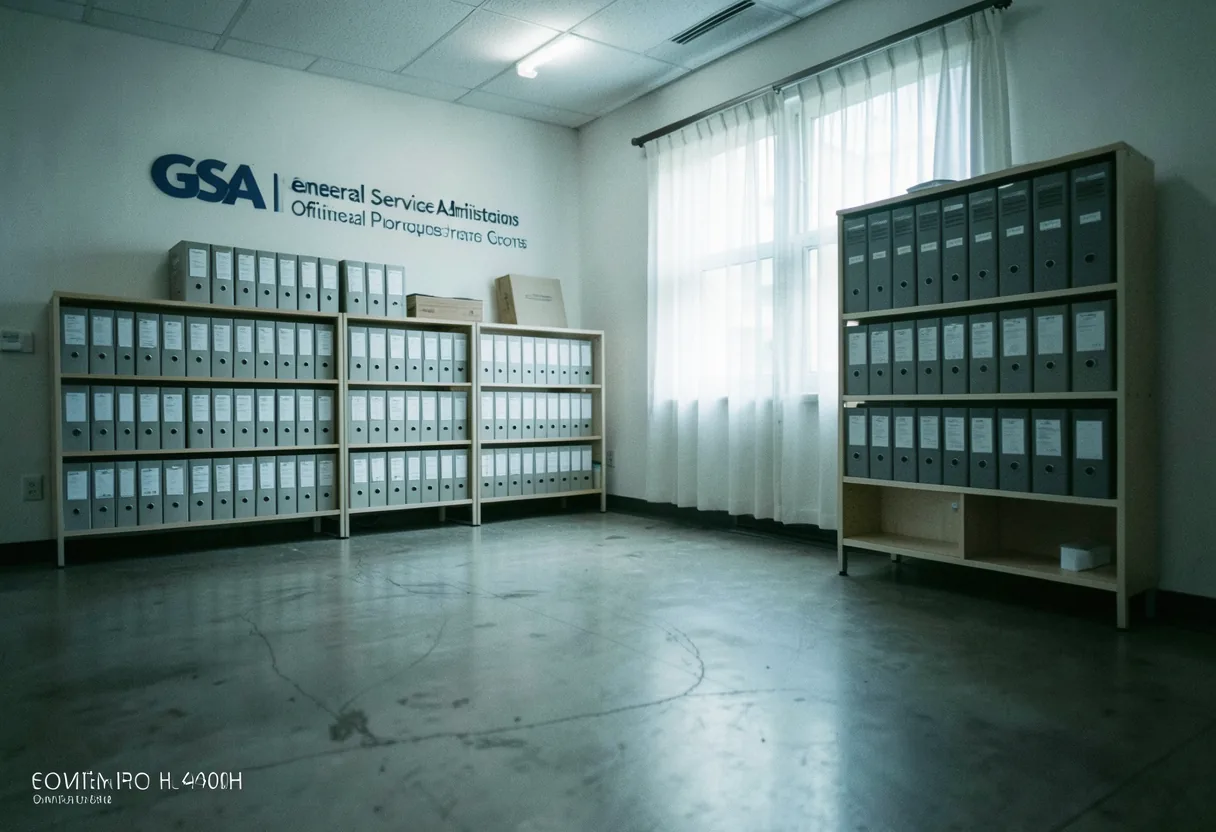
Officially: How the GSA Authenticates and Verifies
The GSA officially authenticates and verifies vendors, products, and services through strict compliance and certification processes.
To become a GSA-approved vendor, businesses must undergo a rigorous evaluation process that includes submitting detailed documentation, undergoing site visits, and meeting specific compliance standards. This process ensures that only qualified vendors can supply goods and services to federal agencies. Once approved, vendors receive a GSA Schedule contract, which is a pre-negotiated, long-term government-wide contract.
For products and services, the GSA uses standardized testing and certification methods to verify quality and compliance with federal regulations. For example, office supplies must meet specific environmental and performance standards, while IT products must comply with cybersecurity requirements. The GSA also maintains a System for Award Management (SAM) database, which officially lists all approved vendors and their qualifications.
GSA’s authentication and verification processes ensure transparency, fairness, and efficiency in federal procurement. By officially vetting vendors and products, the GSA helps federal agencies make informed purchasing decisions and avoids potential fraud or substandard products. This official verification process is a cornerstone of the GSA’s mission to provide the best value for taxpayer dollars.
Officials in the GSA: Roles and Responsibilities
Officials within the GSA hold various roles and responsibilities, each contributing to the agency’s mission of efficient and effective government procurement.
One key official is the GSA Administrator, who serves as the chief executive officer and is appointed by the President with Senate confirmation. The Administrator oversees the entire agency and sets strategic goals and policies. For instance, the current Administrator, Robin Carnahan, has focused on modernizing federal infrastructure and promoting sustainable practices.
Other officials include the Commissioner of the Federal Acquisition Service (FAS), who manages the GSA’s procurement operations, and the Commissioner of the Public Buildings Service (PBS), who oversees the GSA’s real estate portfolio. These officials work together to ensure the GSA meets its objectives and serves federal agencies effectively.
Key facts
- The GSA Administrator is appointed by the President and confirmed by the Senate.
- The Commissioner of FAS oversees procurement operations, including the GSA Schedule program.
- The Commissioner of PBS manages the GSA’s real estate portfolio, which includes over 370 million square feet of federal property.
- Officials in the GSA work collaboratively to ensure efficient and effective government procurement.
Officials in the GSA: Roles and Responsibilities (in practice)
GSA key officials number several, each playing crucial roles in its operations with specific responsibilities that contribute to the agency’s mission.
Appointed by the President and confirmed by the Senate, the Administrator of the GSA serves as the chief executive officer. This official oversees the entire agency and sets strategic goals and policies. For example, the current Administrator, Robin Carnahan, has prioritized modernizing federal infrastructure and promoting sustainability. The Administrator is supported by several Deputy Administrators, each focusing on specific areas such as finance, human resources, and public affairs.
Commissioner manages the GSA’s procurement operations, including the GSA Schedule program. This official ensures that federal agencies have access to a wide range of goods and services through pre-negotiated contracts. The Commissioner of the Public Buildings Service (PBS) oversees the GSA’s real estate portfolio, which includes managing federal buildings, leasing space, and promoting sustainable building practices. For instance, the PBS Commissioner plays a key role in the GSA’s efforts to reduce energy consumption and promote green technologies in federal facilities.
Other officials within the GSA include the Chief Information Officer (CIO), who manages the agency’s IT infrastructure and cybersecurity efforts, and the Chief Financial Officer (CFO), who oversees financial management and budgeting. These officials work together to ensure the GSA operates efficiently and effectively, providing the best value for taxpayer dollars. The collaborative efforts of these officials help the GSA meet its mission of delivering the best customer service, caring for federal assets, and using taxpayer dollars wisely.
Key facts
- The GSA Administrator is the chief executive officer, appointed by the President and confirmed by the Senate.
- The Commissioner of FAS manages procurement operations, including the GSA Schedule program.
- The Commissioner of PBS oversees the GSA’s real estate portfolio, promoting sustainable building practices.
- Officials like the CIO and CFO play crucial roles in managing IT infrastructure and financial operations.
The GSA’s Official Role in Federal Procurement
Managing the acquisition and disposal of goods and services for federal agencies, GSA plays an official role in federal procurement.
Providing centralized procurement services, the GSA’s primary responsibility ensures federal agencies can acquire needed supplies and services efficiently and cost-effectively. This includes managing the GSA Schedule program, which offers a wide range of pre-negotiated contracts for various goods and services. For example, the GSA Schedule program covers everything from office supplies to IT products, allowing federal agencies to streamline their purchasing processes.
In addition to procurement, the GSA officially manages federal real estate, including the acquisition, construction, and disposal of federal buildings. The agency also oversees the federal government’s use of green technologies and sustainable practices, promoting energy efficiency and environmental responsibility. For instance, the GSA has implemented numerous initiatives to reduce energy consumption in federal facilities, such as installing energy-efficient lighting and heating systems.
GSA’s official role in federal procurement extends to providing resources and support to federal agencies. The agency offers training and guidance on procurement best practices, helping agencies make informed purchasing decisions. The GSA also maintains the System for Award Management (SAM) database, which officially lists all approved vendors and their qualifications. This database ensures that federal agencies can easily find and verify qualified vendors for their procurement needs.
Key facts
- The GSA manages the GSA Schedule program, offering pre-negotiated contracts for various goods and services.
- The agency oversees federal real estate, promoting sustainable building practices and green technologies.
- The GSA provides training and guidance on procurement best practices to federal agencies.
- The System for Award Management (SAM) database officially lists all approved vendors and their qualifications.
How the GSA Offers a wide range of services to federal agencies
GSA provides federal agencies with a wide range of services, including procurement, real estate management, and technology solutions.
To access these services, federal agencies can utilize the GSA Schedule program, which provides pre-negotiated contracts for a vast array of goods and services. Agencies can browse the GSA’s online catalog, known as GSA Advantage!, to find and purchase supplies, equipment, and services. For example, an agency in need of office furniture can find a variety of options from approved vendors through the GSA Advantage! platform.
Real estate services are offered to federal agencies by GSA, including leasing, construction, and property management. Agencies can request space through the GSA’s leasing program, which provides office and warehouse space in various locations across the country. For instance, the GSA manages numerous federal buildings in Washington, D.C., including the Ronald Reagan Building and International Trade Center, which is the largest federal building in the country.
In addition to procurement and real estate services, the GSA provides technology solutions to federal agencies. The agency offers IT products and services through the GSA Schedule program, as well as specialized contracts for advanced technologies like cloud computing and cybersecurity. For example, the GSA’s IT Schedule 70 provides a wide range of IT products and services from approved vendors, helping agencies stay up-to-date with the latest technology.
Providing fleet management, travel, and transportation solutions is the focus. The agency manages the federal government’s fleet of automobiles, providing vehicles for agency use and promoting fuel-efficient and environmentally friendly options. The GSA also offers travel management services, including the GSA City Pair Program, which provides discounted airfare for federal employees traveling on official business.
To further support federal agencies, the GSA provides resources and tools for procurement and project management. The agency offers training and guidance on best practices, as well as access to expert consultants and project managers. For example, the GSA’s Project Management Office (PMO) provides support and oversight for large-scale projects, ensuring they are completed on time and within budget.
Key facts
- The GSA Schedule program offers pre-negotiated contracts for a wide range of goods and services.
- The GSA Advantage! platform allows agencies to browse and purchase supplies, equipment, and services online.
- The GSA manages numerous federal buildings, including the Ronald Reagan Building and International Trade Center.
- The GSA’s IT Schedule 70 provides a wide range of IT products and services from approved vendors.
GSA Official Policies and Regulations
Enforcing official policies and regulations, GSA ensures compliance, transparency, and efficiency in federal procurement.
One key policy is the Federal Acquisition Regulation (FAR), which governs the acquisition process for executive agencies. The FAR provides uniform policies and procedures for acquiring goods and services, ensuring fairness and consistency in the procurement process. For example, the FAR outlines the requirements for solicitation, evaluation, and award of contracts, helping agencies make informed decisions and avoid potential conflicts of interest.
Enforcing policies related to sustainable procurement and green technologies is the GSA’s responsibility. The agency promotes the use of environmentally friendly products and practices, such as energy-efficient lighting and heating systems. For instance, the GSA’s Green Procurement Compilation provides a list of environmentally preferable products and services that agencies can purchase through the GSA Schedule program. These policies help the federal government reduce its environmental impact and promote sustainability.
Additionally, the GSA has policies in place to ensure ethical conduct and prevent fraud, waste, and abuse in federal procurement. The agency’s Office of Inspector General (OIG) conducts audits and investigations to detect and deter misconduct, ensuring that taxpayer dollars are used responsibly. For example, the OIG investigates allegations of fraud and misconduct, as well as promotes best practices for ethical procurement. These policies help maintain the integrity of the federal procurement process and protect taxpayer interests.
Federal procurement includes GSA policies addressing small business participation. The agency promotes the use of small businesses in government contracts, helping to create jobs and support economic growth. For example, the GSA’s Small Business Programs office provides resources and support to small businesses, helping them compete for government contracts and grow their operations.
Key facts
- The Federal Acquisition Regulation (FAR) governs the acquisition process for executive agencies.
- The GSA promotes sustainable procurement and green technologies through its Green Procurement Compilation.
- The GSA’s Office of Inspector General (OIG) conducts audits and investigations to prevent fraud and misconduct.
- The GSA’s Small Business Programs office provides resources and support to small businesses.
GSA’s Official Role in Emergency Management
Emergency management includes an official role for GSA, providing resources and support to federal agencies during crisis situations.
In the event of an emergency, the GSA can activate its emergency procurement authorities, allowing it to quickly acquire the goods and services needed to respond to the crisis. For example, during the COVID-19 pandemic, the GSA used its emergency procurement authorities to quickly acquire personal protective equipment (PPE) and other supplies for federal agencies and healthcare providers. The agency also established a dedicated COVID-19 response team to coordinate procurement efforts and ensure that critical supplies were delivered promptly.
Managing the federal government’s continuity of operations (COOP) plans, GSA outlines steps agencies should take to maintain essential functions during an emergency. The agency provides resources and support to help agencies develop and implement their COOP plans, ensuring that they are prepared to respond to a wide range of crises. For instance, the GSA offers training and guidance on emergency preparedness, as well as access to expert consultants and project managers.
Additionally, the GSA manages the federal government’s disaster response and recovery efforts. The agency provides resources and support to help agencies respond to natural disasters, such as hurricanes, earthquakes, and wildfires. For example, the GSA’s Federal Emergency Management Agency (FEMA) coordinates with state and local governments to provide assistance and resources to affected communities. The agency also manages the federal government’s disaster recovery efforts, helping agencies rebuild and recover from the damage caused by natural disasters.
Key facts
- The GSA can activate its emergency procurement authorities to quickly acquire goods and services during a crisis.
- The agency manages the federal government’s continuity of operations (COOP) plans.
- The GSA coordinates disaster response and recovery efforts with state and local governments.
- The agency provides resources and support to help agencies respond to natural disasters.
GSA’s Official Role in Federal Real Estate Management
Federal real estate is managed by acquiring, constructing, and disposing of property.
Overseeing more than 370 million square feet of federal property, including office buildings, warehouses, and specialized facilities. The agency is responsible for leasing space to federal agencies, ensuring that they have the necessary facilities to carry out their missions. For example, the GSA manages the Ronald Reagan Building and International Trade Center in Washington, D.C., which is the largest federal building in the country and houses numerous federal agencies and organizations.
Ensuring that federal buildings meet the needs of federal agencies and the public, GSA handles their construction and renovation. The agency promotes sustainable building practices and green technologies, such as energy-efficient lighting and heating systems. For instance, the GSA’s Design Excellence program encourages innovative and sustainable design in federal buildings, resulting in architecturally significant and environmentally friendly facilities. The agency also manages the federal government’s use of green technologies and sustainable practices, promoting energy efficiency and environmental responsibility.
The agency oversees the disposal of surplus federal property. The agency works with other federal agencies to identify and dispose of unused or underutilized property, generating revenue for the federal government. For example, the GSA’s Public Buildings Service (PBS) manages the disposition of surplus federal property, including the sale or lease of buildings and land. The agency also works with state and local governments to transfer surplus property for public use, such as parks, schools, and community centers.
Key facts
- The GSA manages over 370 million square feet of federal property.
- The agency oversees the construction and renovation of federal buildings, promoting sustainable design.
- The GSA manages the federal government’s use of green technologies and sustainable practices.
- The agency is responsible for the disposal of surplus federal property, generating revenue for the federal government.
GSA’s Official Role in Federal Fleet Management
Vehicles in the fleet number 210,000, providing official transportation services to federal agencies.
Managing the federal government’s fleet of over 215,000 vehicles is GSA’s responsibility. The agency provides a wide range of vehicles to federal agencies, including sedans, trucks, and specialty vehicles. For example, the GSA offers fuel-efficient and environmentally friendly vehicles, such as hybrid and electric cars, to promote sustainable transportation practices. The agency also manages the federal government’s use of alternative fuels, such as biodiesel and compressed natural gas, to reduce emissions and promote energy independence.
Fleet services encompass acquisition, maintenance, and disposal of over 210,000 vehicles. The agency works with approved vendors to provide vehicles and related services to federal agencies, ensuring that they have access to the latest models and technologies. For instance, the GSA’s Vehicle Leasing program allows agencies to lease vehicles on a short-term or long-term basis, providing flexibility and cost savings. The agency also offers vehicle maintenance and repair services, ensuring that federal vehicles are safe and reliable.
The City Pair Program offers discounted airfare for federal employees traveling on official business, part of the transportation services provided to federal agencies. The agency also manages the federal government’s use of rail and marine transportation, providing cost-effective and efficient options for moving goods and personnel. For example, the GSA’s Rail Transportation program offers discounted rates for federal agencies using rail services, promoting energy-efficient and environmentally friendly transportation.
Key facts
- The GSA manages over 215,000 vehicles in the federal government’s fleet.
- The agency offers fuel-efficient and environmentally friendly vehicles, such as hybrid and electric cars.
- The GSA’s Vehicle Leasing program allows agencies to lease vehicles on a short-term or long-term basis.
- The agency provides transportation services, including the GSA City Pair Program and rail transportation.
How to verify the official status of a GSA vendor
To verify the official status of a GSA vendor, federal agencies can use the System for Award Management (SAM) database.
To do this, visit the SAM website and search for the vendor by name or GSA contract number. The database will provide information on the vendor’s qualifications, certifications, and contract status. For example, you can verify that a vendor is officially approved to sell office supplies through the GSA Schedule
Frequently asked questions
What is the GSA's role in federal procurement?
The GSA manages the federal government's procurement and supply needs. It negotiates contracts with private firms, ensuring competitive pricing and quality standards. These contracts, like GSA Schedules, streamline purchasing for federal agencies, saving time and taxpayer dollars.
How do businesses get GSA contract approval?
Businesses submit proposals through GSA's eOffer system. Proposals must meet stringent criteria, including competitive pricing and compliance with federal regulations. GSA reviews submissions and awards contracts to qualifying vendors.
What are GSA Schedules, and how do they work?
GSA Schedules are long-term government-wide contracts. They provide federal agencies with pre-negotiated prices, terms, and conditions for commonly used goods and services. Vendors compete for inclusion, offering agencies a simplified procurement process.
Can state and local governments use GSA contracts?
Yes. State and local governments can use GSA Schedule contracts through the Cooperative Purchasing program. This initiative allows eligible entities to leverage GSA's pre-negotiated contracts, benefiting from competitive pricing and streamlined procurement.